Karate & Kobujutsu: useful answers.
Got a question about Karate or Kobujutsu? You’re in the right place. Here are some useful starting points—and if you’re still wondering about something, just message us.
Watch Ichigokai
Start here: see the ideas in practice.
New to Karate? Begin with what to expect at your first class. Already practising a martial art? Explore the videos below, then find your route into Kobujutsu. These resources support instruction and continued practice.
Choose a question that interests you. These videos from our YouTube and Instagram channels give you a taste of the teaching and the reasons we keep training.
How weapons study improves your Karate
See how training with Bo can bring a fresh perspective to your Karate. A useful starting point if you’re wondering what weapons study could add to your practice.
Why body connection matters
Explore body connection through Tonfa practice, and consider how the idea relates to the way you move in Karate.
How to hold your Sai
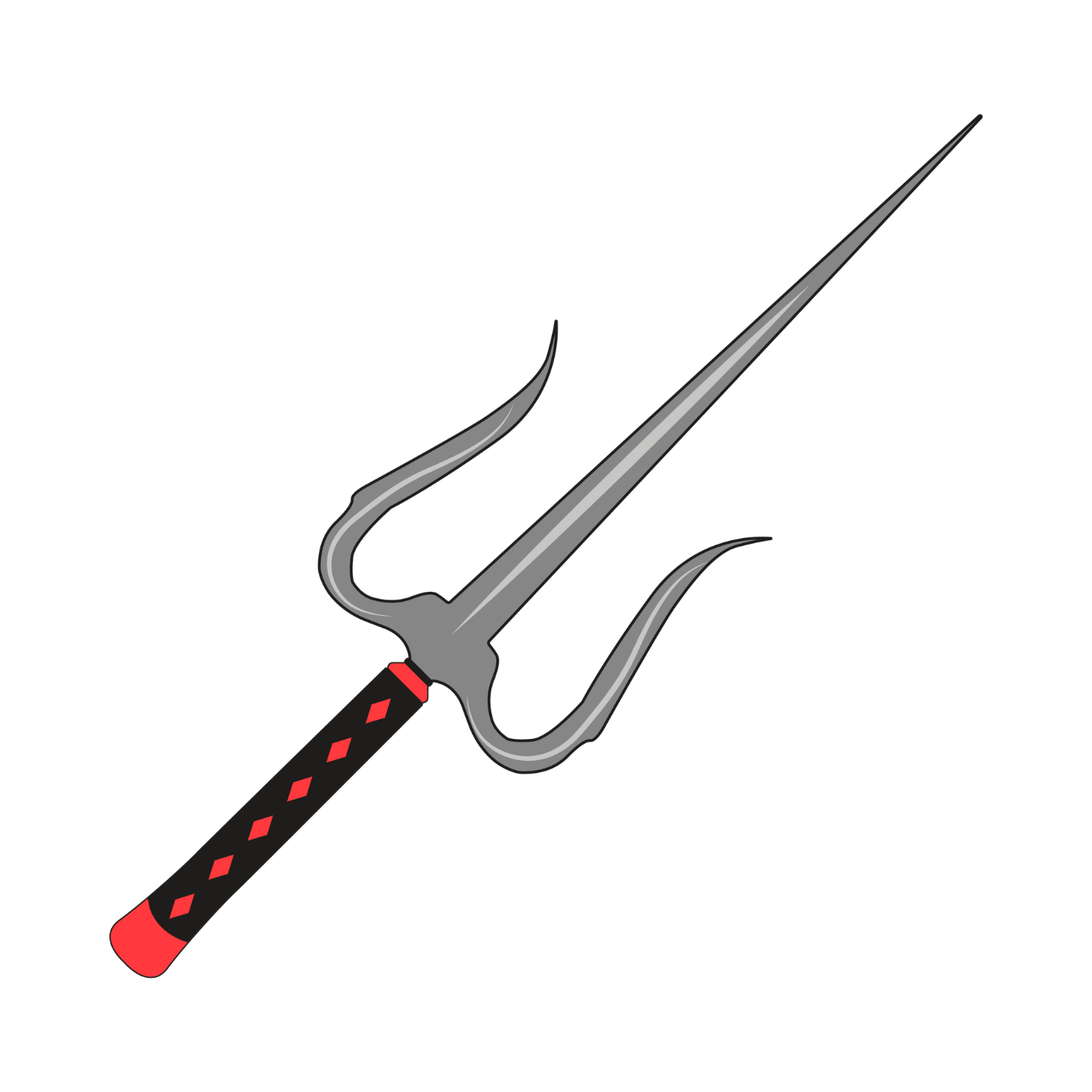
A practical introduction to holding Sai. Watch for the details of the grip, then bring your questions to supervised training.
The dojo grows your best self
A short Ichigokai reflection on showing up for training and giving yourself the chance to grow. Get a feel for the commitment behind our practice.
Videos support your learning; in class, you can try the ideas, ask questions and receive feedback. There’s no homework to do before joining.
Further reading
Explore the traditions and teachers.
Follow whatever catches your interest. There’s no homework to do before your first class.
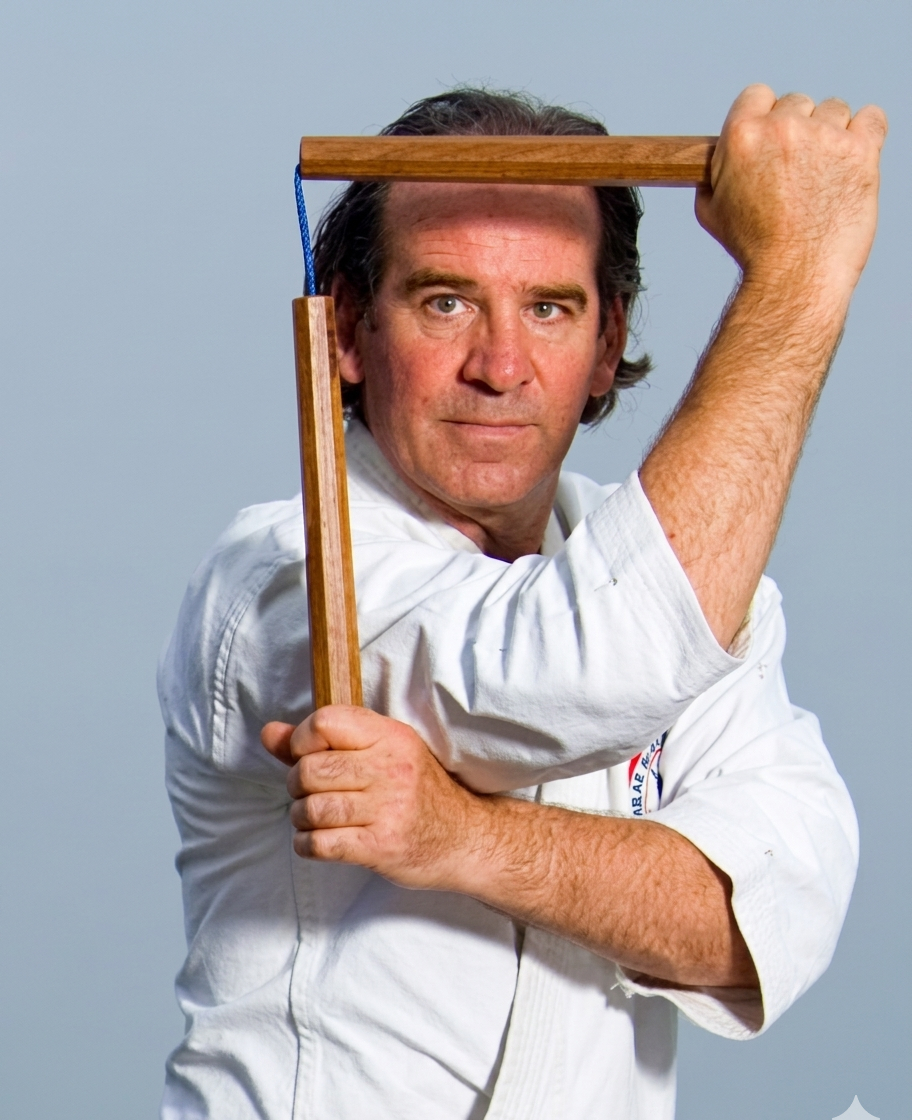
Karate and weapons
Your pathway through Karate and Kobujutsu.
Download the IGK grading syllabus (Word)
The syllabus outlines the learning for each grade, explains gradings and sets out the pathway that brings Karate and Kobujutsu together. The emphasis is on training safely, developing quality and applying martial arts principles across both arts.
Autumn 2026 edition · Word document · 166 KB
Our motto
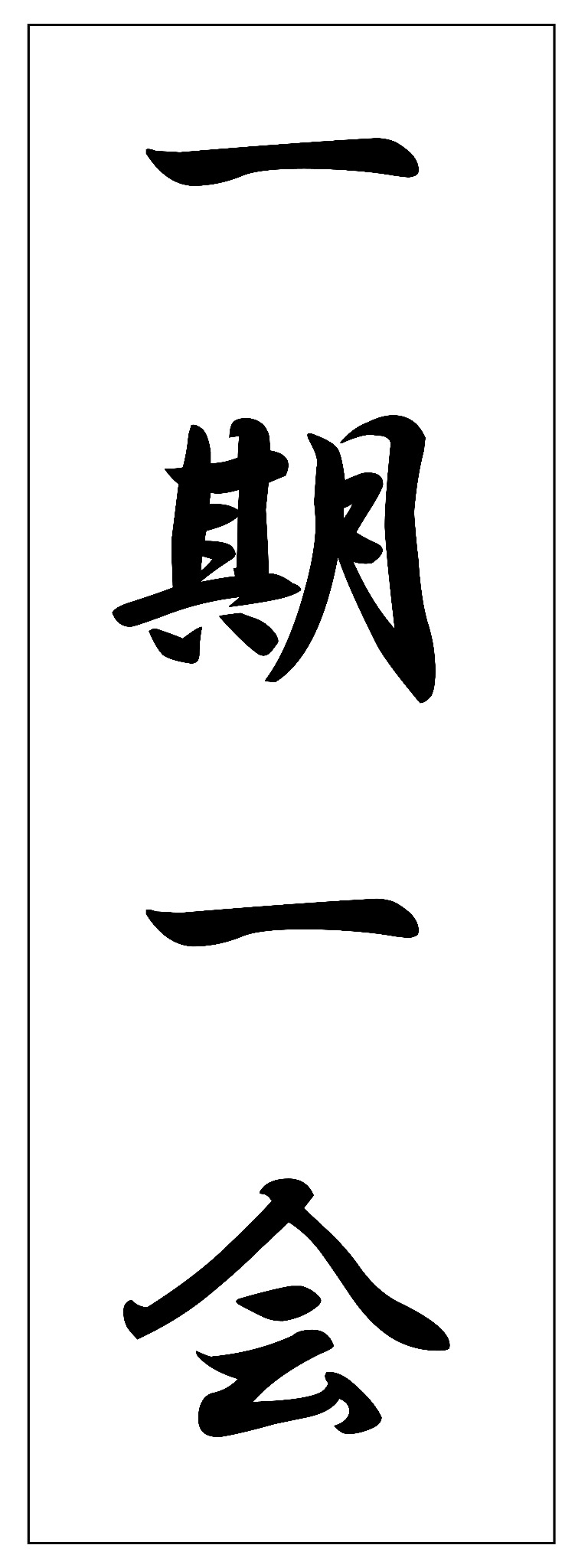
一期一会 · Ichi-go Ichi-e
You can return to the dojo, but you can never return to this moment.
Every lesson brings a particular teacher, partner and opportunity to learn. Meet it with attention. Listen carefully, practise with purpose and give your partner the care you would wish to receive.
Progress grows from the quality of these ordinary moments: an honest correction, a patient repetition, a respectful response. Carry that attention beyond the dojo, and training becomes a way to grow in judgement, humility and consideration for others.
Beyond the familiar
What should experienced students keep improving?
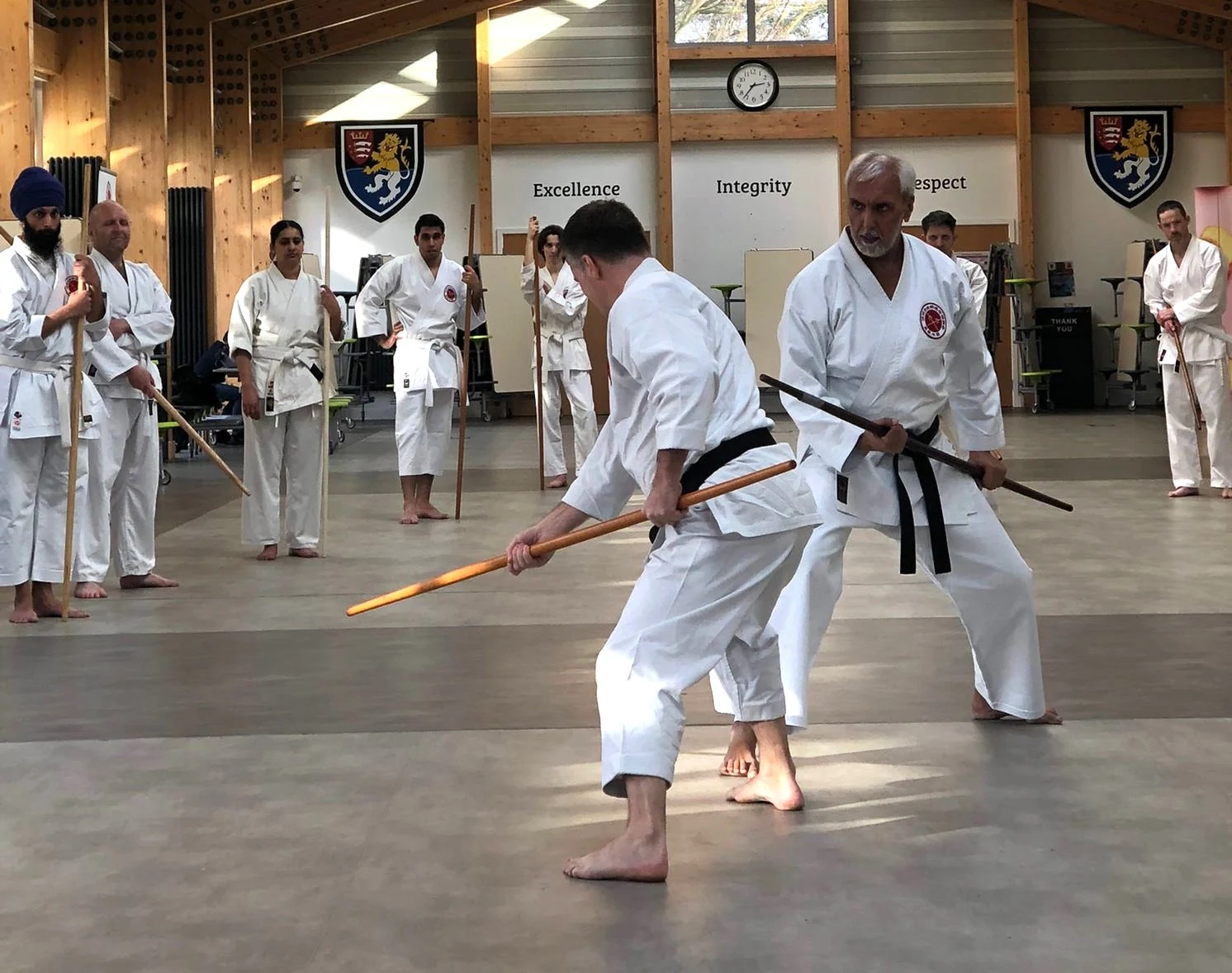
Precision, judgement and control still have room to grow after years of practice. Can you use less unnecessary tension? Recognise distance sooner? Keep your posture while changing direction? Understand why a technique works?
Ichigokai’s weapons study gives experienced practitioners a new setting for that work, alongside the challenge of becoming genuinely skilled with the weapons.
See us training
Get a feel for Ichigokai.
Take a look at our training on Instagram and YouTube. See the people, the practice and the details we enjoy working on. When you’re ready to try it yourself, send us a WhatsApp message.
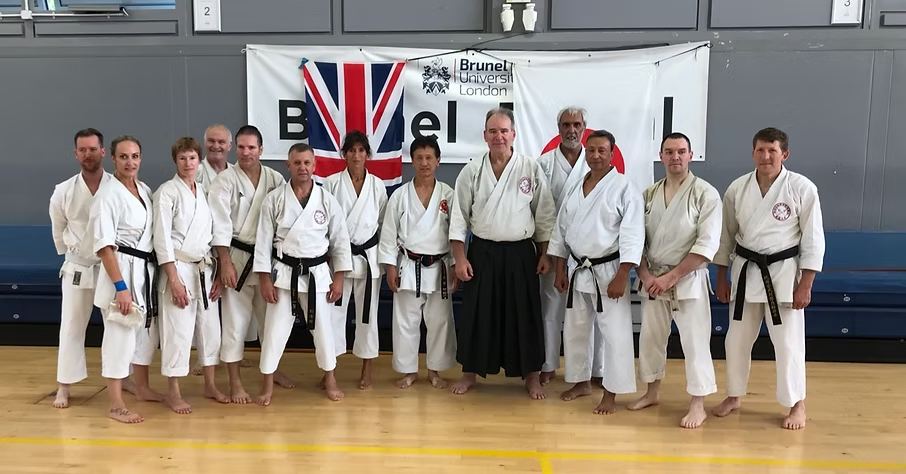
See photographs from our Karate and Kobujutsu community
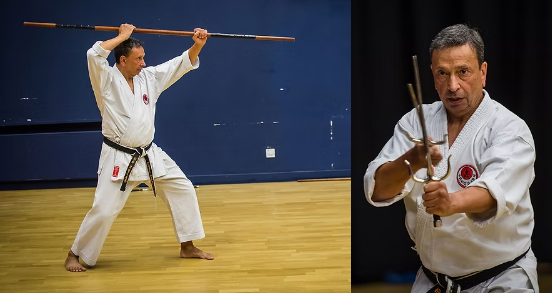
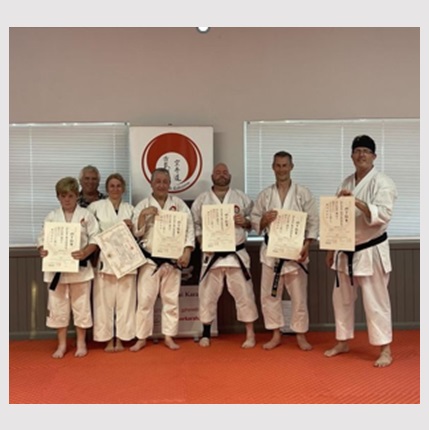
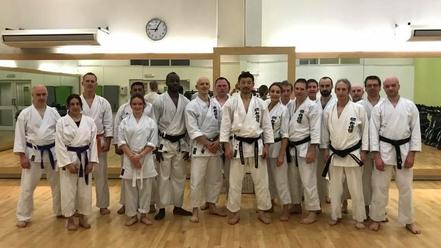
View illustrations from our original website
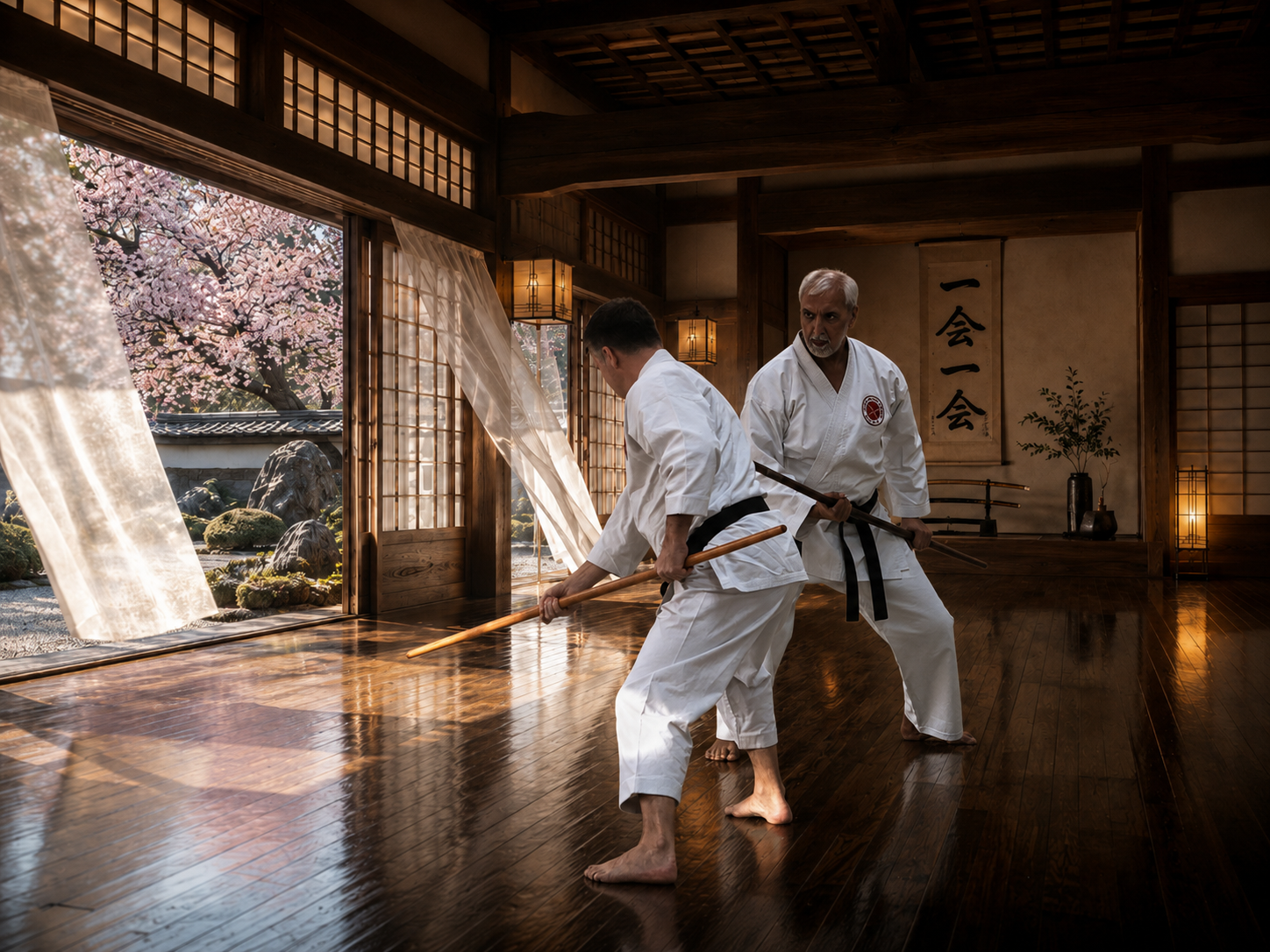

Before you join
Your questions, answered.
What equipment do I need for a first class?
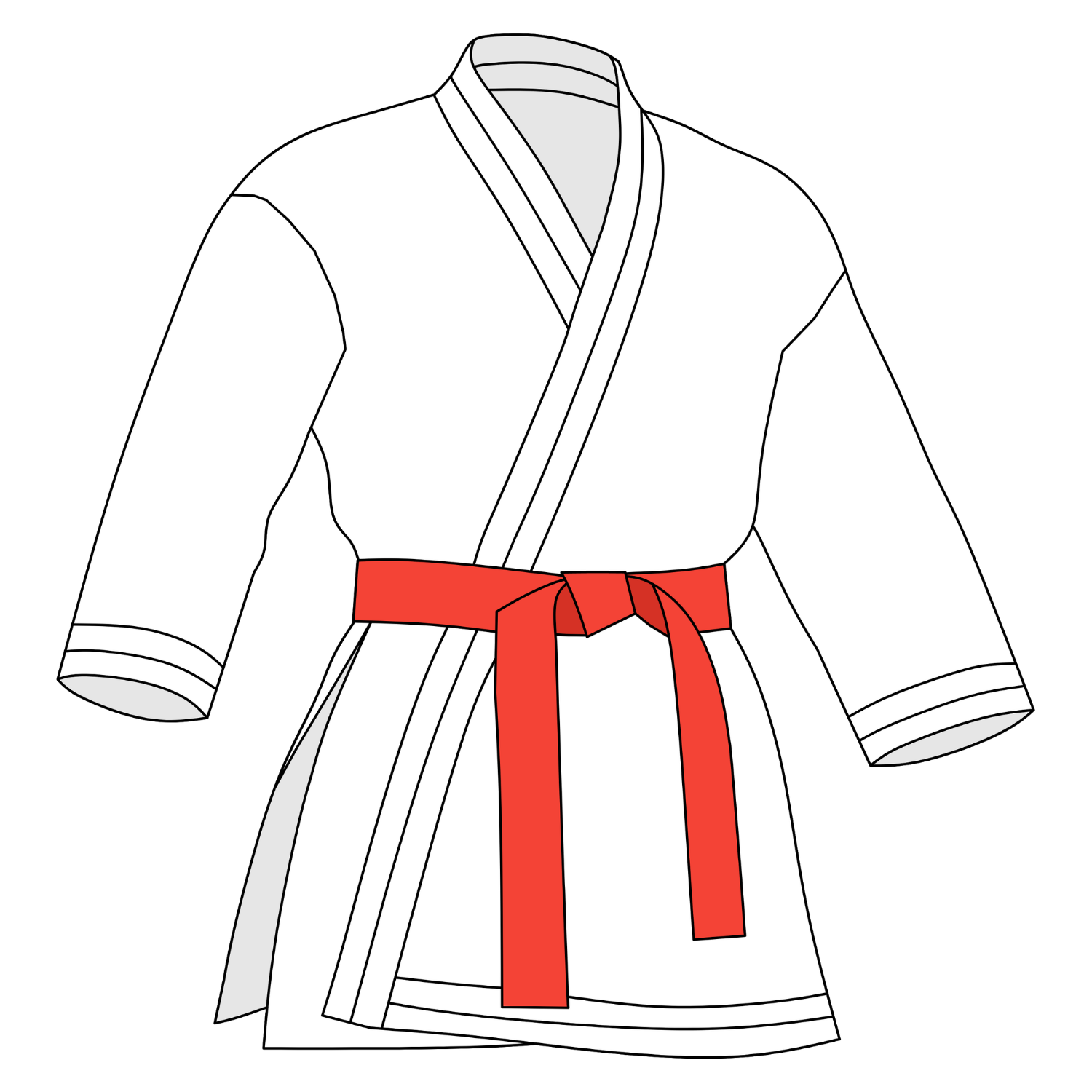
For your first Karate class, wear comfortable sports clothes. Ask us before buying a uniform or weapons. For Kobujutsu, message us about your background and grade so we can confirm what to bring.
Can I learn Karate or Kobujutsu from YouTube alone?
Videos can help you recognise movements or revisit material you have been taught. They cannot watch your movement, give you personal feedback or provide a responsive training partner. Use them to support supervised practice, especially when learning weapons.
What is the difference between kata and partner work?
Kata lets you practise a set sequence and refine your movement. Partner work adds another person’s distance, timing and response. At Ichigokai, both help turn remembered movements into better understanding.
How do I choose a good martial arts club?
Look for a clear teaching approach, a syllabus you can understand, respectful partner practice and an instructor whose experience is relevant to the art. Visit a class and judge whether beginners receive explanation and useful feedback.
How long does it take to become good at Karate or Kobujutsu?
There is no fixed timetable. Progress depends on regular practice, feedback and the standard you are working towards. First aim for clear foundations; technical depth develops through sustained study rather than a guaranteed number of lessons.